
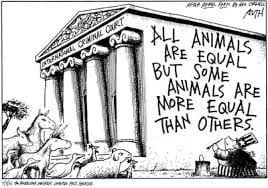
*Implant from a previous page. Originally written April 2020.
Tried and true writer or not, I’m sure you’ve heard something along the lines of this at one point or another:
Stories must have meaning, morals, or themes in order to be complete.
I agree 100% – a good story makes you feel something and resonates with you. I always refer back to my favorite book, C.S. Lewis’ The Lion, The Witch, and The Wardrobe, as a great example of that. Whether or not you’ve read the Narnia series or seen the movies or not, you’ve certainly heard of the story. But did you know that the Narnia series is inspired by Biblical themes and events? The Chronicles of Narnia, which has 7 books in its series, is widely believed to address one of the 7 Deadly Sins with each book – the first in the series being about the hazard of gluttony, or over-indulgence in food.
It may be easy for you to come up with a simple baseline story, but it can often fall flat and become forgettable if there is no theme or meaning behind it. With that in mind, let’s talk about what I think is the best and most memorable way to give your story meaning – the allegory!
Allegory is a story with two meanings; the literal meaning and the thematic meaning. Creating allegorical characters can make them much more dynamic and multi-faceted, and pairing them with an overall allegorical story creates an amazing narrative. The most popular allegorical example is George Orwell’s Animal Farm, a story about animals overthrowing an oppressive farmer. Animal Farm, however, is also a political allegory about the Communist Revolution of Russia leading up to World War I.
Orwell opposed the communist regime in Russia and used a story about animals to convey his message. The quote in the cartoon at the top of this post, “All animals are equal, but some animals are more equal than others,” is straight out of the novel and calls out governments who favor the elite, but proclaim that everyone is equal.
If you have a certain stance on anything moral, religious, political, or socioeconomic, an allegory is a great way to deliver your message with another meaning tied to it. Writers use allegory to get their points across about how they perceive the world and how they want the world to be. It can be hard to decipher the thematic meaning behind the literal meaning, but keep it that way! You don’t want the theme to be too on-the-nose.
If your story resonates with people, they should want to study your work and discover what your intentions are. It’s a red flag if your story is so simple that everyone who reads it draws the same conclusions. A story with layers creates a dynamic that can make your work an instant classic, so don’t worry about the thematic meaning not being super obvious – that’s not a bad thing!
So the next time you write a story, think about what themes you want to incorporate. While you do not have to use allegory to give your story meaning, I highly encourage trying it at least once. After all, if your story incites discussion about its deeper layers, that’s only a plus.

 readreaming