
Light is so underrated.
I’m a mass communications major at Towson, but my minor is electronic media and film. Now that I’m starting to get into the meat of my minor, I’m learning so much about how angles, shots, and lighting are crucial to any good story.
For my Principles of EMF class, we recently learned about several different types of light – three of those types were hard light, soft light, and specular light. I took some pictures around my house to demonstrate each light in action and inform of how it helps with storytelling.
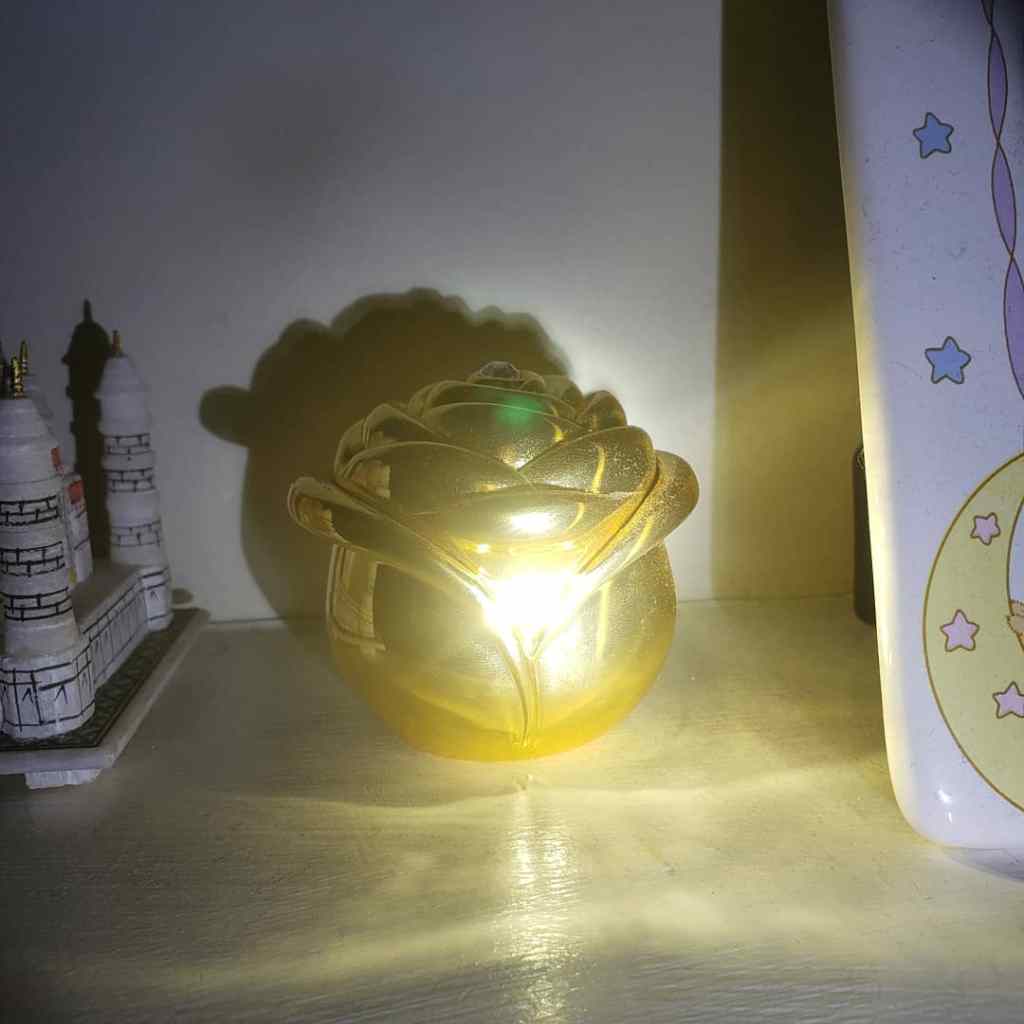
This first image is of hard light. Hard light comes from a light source that is relatively close to the subject, and it usually creates a thick shadow in the background. The object I chose to demonstrate this, a golden rose, easily corroborates my ideals that the harsher the light is, the harder the shadow is.
Hard light does have some drawbacks, though. When using hard light on a person, it can often make him or her look older or more intimidating. Use lighting like this to make a bold statement.
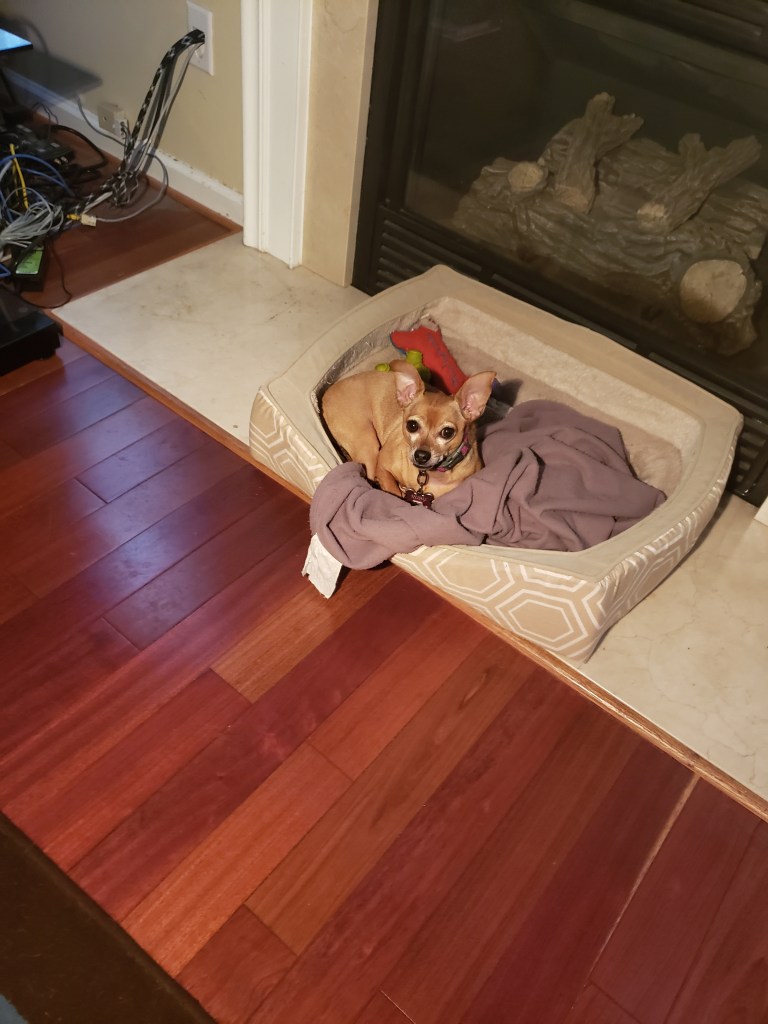
The above image demonstrates the next light on my list, soft light. For this light, I’m using my dog Ruby as my model. Now, you can still see a shadow behind Ruby, but the shadow is fuzzier and not as hard. This is the goal for soft light – the light needs to be further away from your subject. It was relatively dark outside when I took this photo, so I used an overhead lamp a good distance away from my dog to capture the soft light.
Soft light makes your subjects appear softer and more approachable. Hard light shines the light directly on a subject, but soft light envelops the subject.
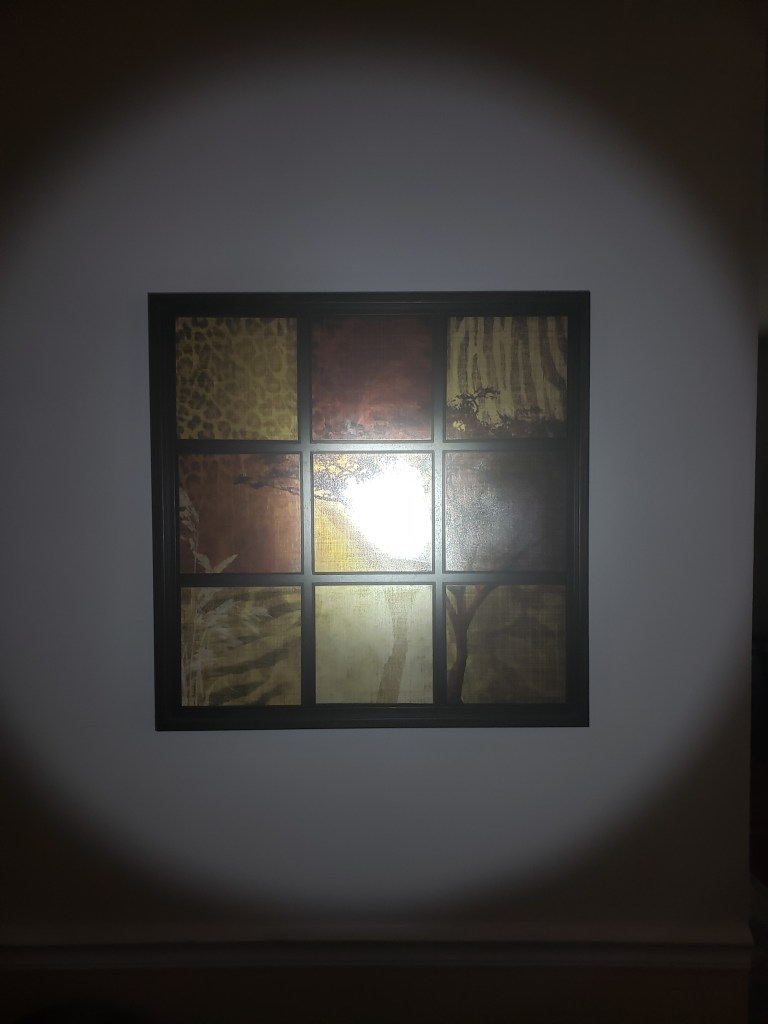
Finally, we have specular light. Most people have no idea what this is, but are also very familiar with it at the same time. NEWS FLASH: If you’ve used a flashlight, you’ve used specular light. Specular light is light that’s highest intensity zones in on the middle; it then grows more and more dim the farther out you go.
Specular light is best used for on-stage productions. Spotlights are also great examples of specular lights. If we need to see everything in the center, a specular light is the way to go.
If you made it this far, congratulations! You just took a crash course in Lighting 101. Now go out and tell everyone you know about lights so they know how smart and important you are!

 readreaming